
Commercial real estate often feels the effects of geopolitics indirectly. For instance, Houthi attacks on Red Sea shipping lanes can squeeze logistics markets, while economic instability in Latin America prompts investment in South Florida condos. The current conflict in the Middle East, however, is impacting the industry more directly.
With escalating tensions between the U.S., Israel, and Iran, the U.S. State Department has urged Americans to leave several countries in the region, including key business hubs like the United Arab Emirates, Qatar, Israel, Saudi Arabia, and Egypt—one of the fastest-growing corridors for real estate development.
Cities like Dubai, Abu Dhabi, Riyadh, Doha, and Cairo have become vital centers for international property firms. Major companies such as CBRE, JLL, and Cushman & Wakefield are advising developers and investors in this region.
Approximately $1.7 trillion worth of real estate projects are planned or under construction across the Gulf Cooperation Council, with Saudi Arabia accounting for about $1.1 trillion. While geopolitical shocks have traditionally affected the market through macroeconomic pressures, the largest firms are now pursuing opportunities amidst the turmoil.
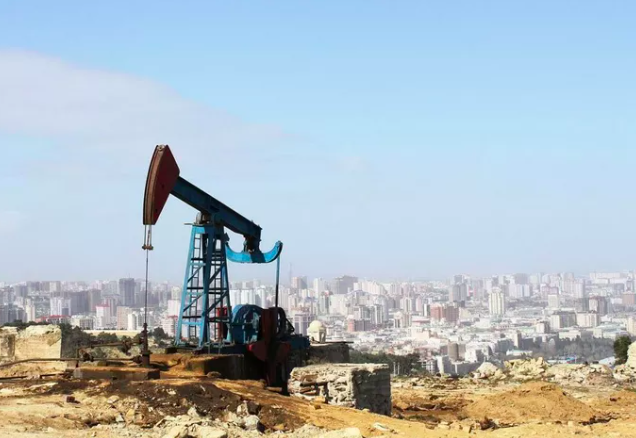
The tensions between the U.S. and Iran are sending energy markets into disarray, causing oil prices to surge past $100 per barrel. This increase in oil prices affects construction costs and disrupts the global aluminum supply, adding pressure to projects already strained by tariffs and inflation.
Source: Bisnow
Please let us know if our commercial real estate brokerage services may benefit you or anyone you know. Please take a few minutes to fill out the broker opinion of value form on our website.