
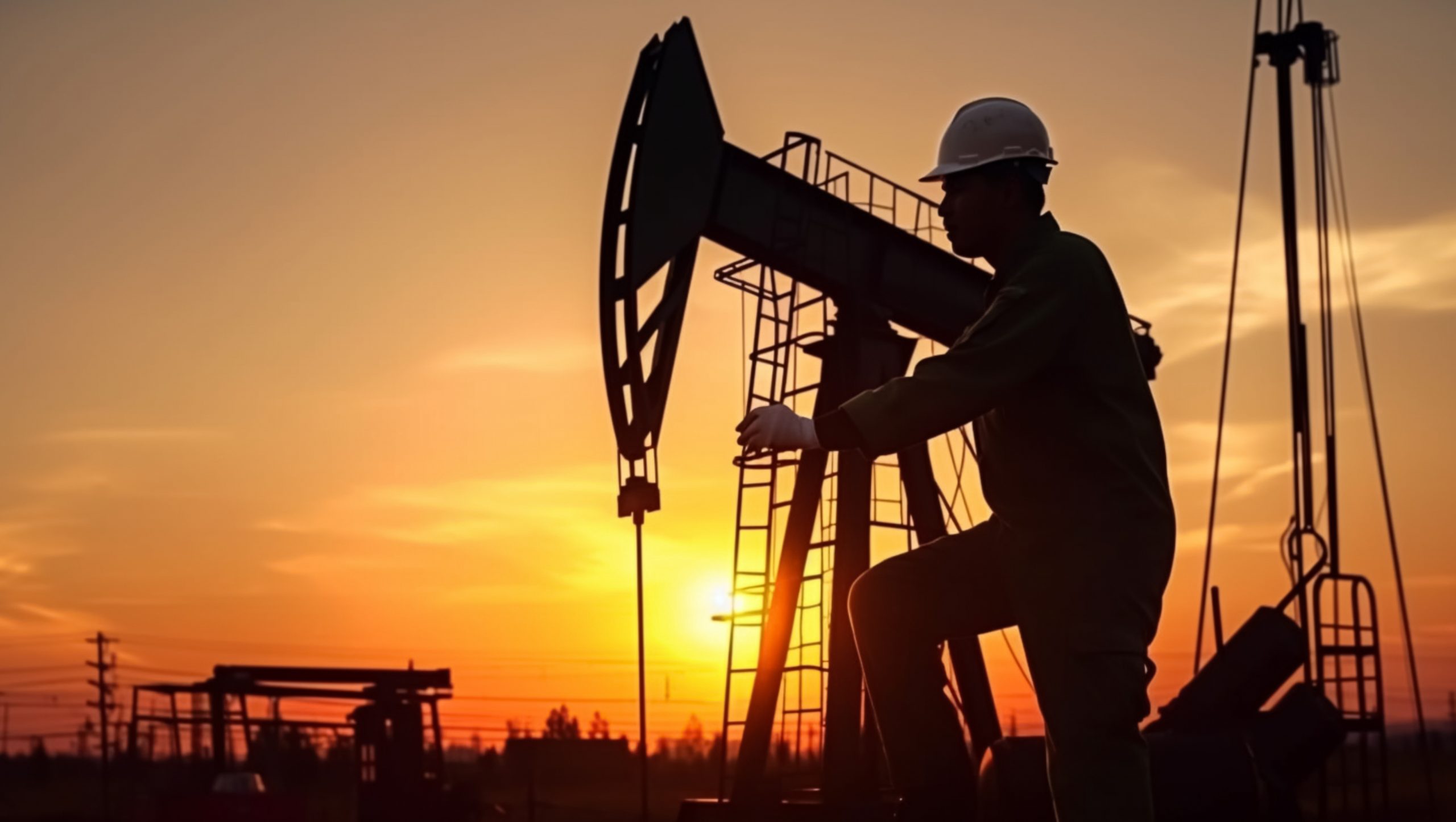
Oil is literally embedded in our buildings, with petroleum derivatives found in everything from PVC piping to insulation foam, roofing membranes, and synthetic flooring. Each barrel of oil not flowing through the Strait of Hormuz represents a material cost yet to peak, especially since the strait remains closed.
Recently, tensions escalated as Israel and Iran exchanged missile strikes and the Houthis banned Israeli ships in the Red Sea, blocking a crucial shipping route. Consequently, crude oil prices surged over 5%. Although a ceasefire exists on paper, the reality is that the conflict continues to impact commercial real estate, and many in the industry are still unaware of the repercussions.
“Development teams relying on outdated cost assumptions from Q1 2026 are not prepared,” said Projecti founder Luka Dosen. “The full impact on contractor pricing will unfold in Q3 and Q4.” Construction input prices have already risen by 6.2% in early 2026, with crude oil prices up 61.8% since April 2025.
RICS Chief Economist Simon Rubinsohn noted that if oil prices hold near $100, materials costs could rise by 15% to 20% in the coming year, up from an initial forecast of 5%.
Additionally, operational energy costs are widening the gap between desirable buildings and those being abandoned. Landlords not offering high-performance spaces face serious consequences. In the Sun Belt, a labor shortage compounded by rising fuel costs is putting even more pressure on construction. While the U.S. may seem better insulated than Europe, this remains a low standard given current conditions.
Source: Bisnow.com
Please let us know if our commercial real estate brokerage services may benefit you or anyone you know. Please take a few minutes to fill out the broker opinion of value form on our website.